ARACY Submission: Digital Duty of Care Exposure Draft
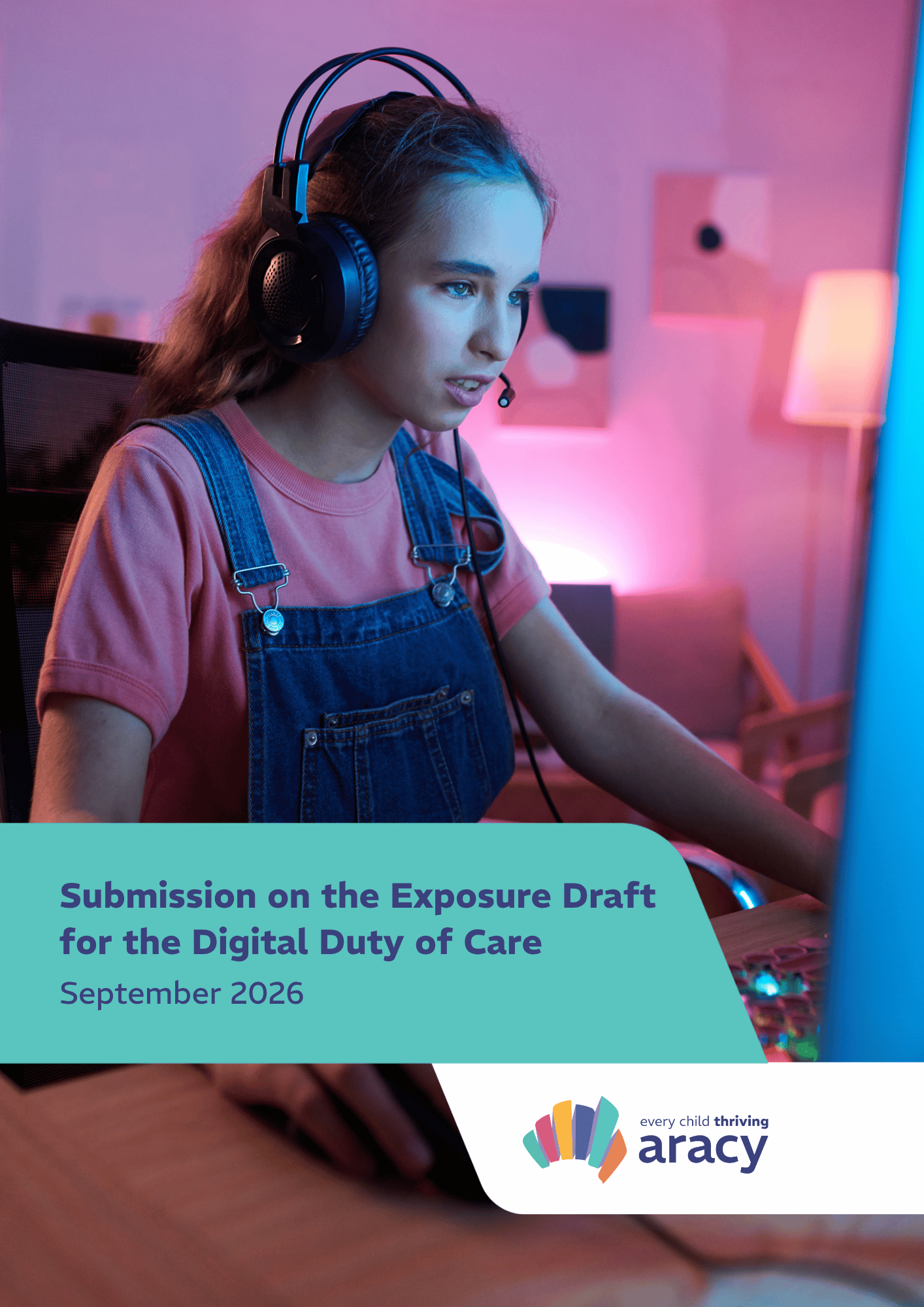
Every child deserves to be safe, online and off. ARACY’s submission responds to the Digital Duty of Care exposure draft, setting out why online platforms should be held to the
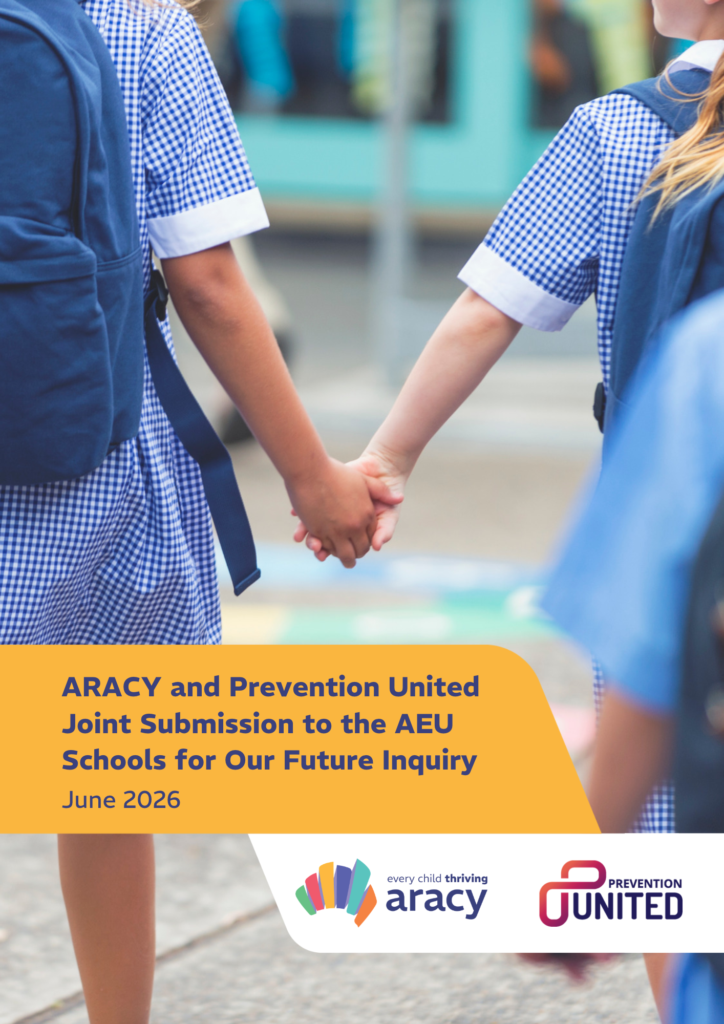
Australia has no national standard for measuring whether school buildings support children’s wellbeing. The Nest can provide one.
The gap
Every state and territory measures school infrastructure differently, so there’s no shared way to compare a school in Western Sydney with one in regional Queensland. Current audits track bricks and mortar. They don’t track wellbeing. Yet the building a child learns in shapes their health, safety, sense of belonging and learning.
The solution
We propose that governments adopt The Nest as the national measurement framework for school infrastructure.
The Nest is Australia’s wellbeing framework for children and young people, and more than 250 organisations already use it. It covers six domains: Valued, Loved and Safe; Healthy; Learning; Participating; Material Basics; and a Positive Sense of Identity and Culture. Applying it to school infrastructure means starting with a framework that already exists and is already trusted, rather than building a new system.
A public health approach
Infrastructure investment should be spread across three tiers, matched to need.
Primary prevention creates healthy environments for every student and staff member: light, air, shade and green space. Secondary prevention adds spaces for early support. Tertiary prevention provides spaces for crisis response and counselling.
A school that builds only counselling rooms will always be overwhelmed by demand. Investing first in the environment for everyone reduces the pressure on the support at the end of the line.
Children, staff and community together
What surrounds a child shapes that child. School buildings affect students, the teachers who support them and the families around them. Staff wellbeing is a precondition for student wellbeing, so spaces for staff belong in every standard.
Schools work best as community hubs that are safe, inclusive and ready for a changing climate.
Our recommendations at a glance
SHARE THIS
Category
Author
Every child deserves to be safe, online and off. ARACY’s submission responds to the Digital Duty of Care exposure draft, setting out why online platforms should be held to the

With six connected areas, The Nest ensures young Australians have everything they need for the best start in life, helping them reach their highest potential.

Using The Nest, has helped ARACY to be at the forefront of disease prevention and the promotion of holistic health for young Australians.

Here you’ll see some examples of how The Nest has been used in organisations outside of ARACY across Australia.
