Last week ARACY was invited to present evidence to the House of Representatives Standing Committee on Health, Aged Care and Disability as part of its inquiry into the health impacts of alcohol and other drugs in Australia.
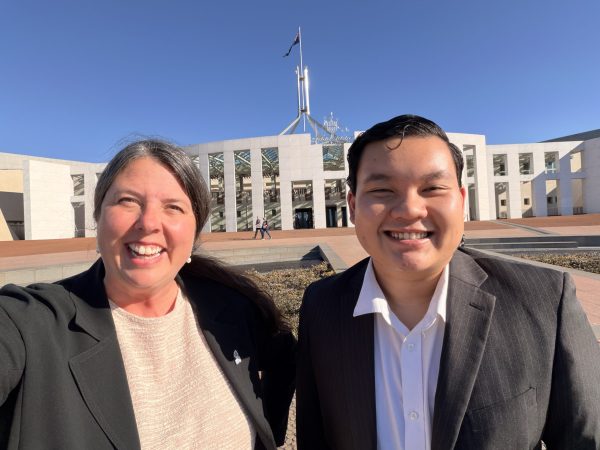
CEO Melodie Potts Rosevear OAM appeared before the committee alongside Young and Wise member Christopher Hatano, bringing findings from ARACY’s Young and Wise Alcohol and Other Drugs Roundtable directly into the parliamentary record.
The roundtable, conducted in April 2025 in partnership with the Department of Health and Aged Care, brought together young Australians aged 17 to 19 from across the country to share their perspectives on alcohol and drug use, prevention, and support. While national data shows alcohol consumption among young people is declining, roundtable participants largely challenged this narrative — with many reporting that drinking remains common in their communities, and that the ages at which young people start drinking are getting younger.
Christopher shared with the committee one of the roundtable’s most striking findings: that for many young people, alcohol and other drugs have become a substitute for mental health support.
“Sometimes to get a psychologist, you’ve gotta go on a massive waitlist… it can be quite expensive… it’s just like a quick solution,”
Roundtable participant.
Confidentiality concerns also emerged as a barrier to help-seeking. Participants noted that formal support services often carry obligations to notify parents, which deters some young people from reaching out. In the absence of accessible, confidential support, substances become an easier option. As one participant put it: “It’s like you buy it and it just solves the problem for a little while.”
Four out of five roundtable participants said they would not seek professional help for concerns about their own alcohol or drug use, with friends, teachers, and online resources being the preferred alternatives. Only two participants had heard of national support services such as the AOD Hotline or Path2Help.
Christopher also told the committee that young people want practical, honest guidance — not messaging that simply tells them substances are harmful. Participants pointed to school presentations from DARTA’s Paul Dillon as an example of what works: “He was like, I know people are gonna be doing these things already. So here’s how to do it safely… not just ‘don’t do it’ because people are already doing these things.”
The roundtable also found that when asked to allocate funding as a hypothetical Health Minister, young people prioritised treatment and early intervention (16%), school-based education (15%), and parent education on role-modelling (9%) — reflecting a desire to address root causes rather than surface symptoms.
Melodie reinforced the importance of designing youth-specific responses, noting that adult clinical models are not fit for purpose for young people, and that evidence-based approaches delivered in trusted community settings — schools, peer networks, families — are essential.
The inquiry is examining issues across prevention, harm reduction, and treatment. ARACY’s contribution ensured that the voices of young Australians were heard in that national conversation.
ARACY present their evidence around the 4.37 mark in the following audio.
SHARE THIS

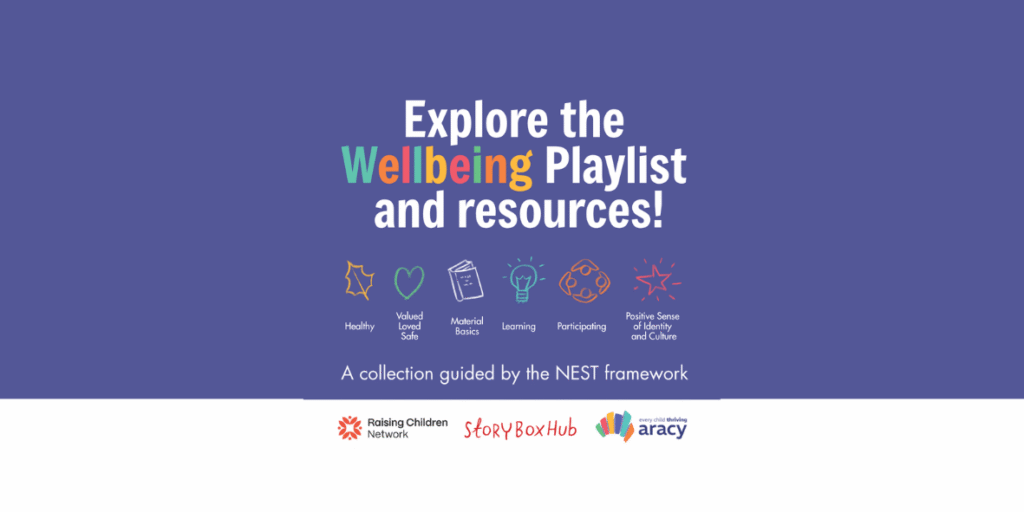
With six connected areas, The Nest ensures young Australians have everything they need for the best start in life, helping them reach their highest potential.

Using The Nest, has helped ARACY to be at the forefront of disease prevention and the promotion of holistic health for young Australians.

Here you’ll see some examples of how The Nest has been used in organisations outside of ARACY across Australia.